
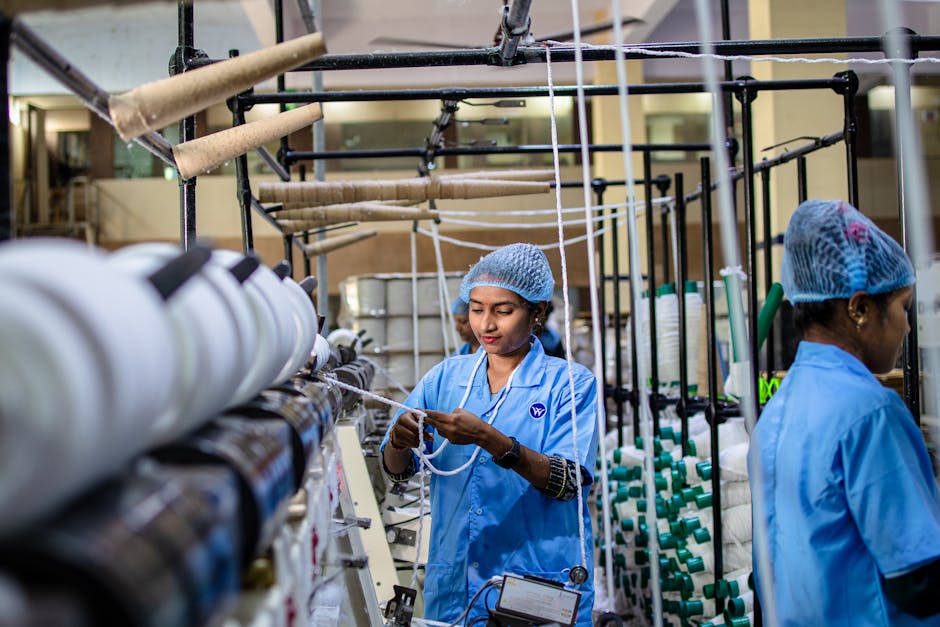
Asia’s manufacturing sector is showing renewed signs of recovery after enduring years of supply chain disruptions caused by the pandemic, geopolitical tensions, and fluctuating global demand. As production activity stabilizes and trade flows gradually normalize, manufacturers across the region are cautiously optimistic about sustained growth. Early analysis from platforms like martindavisauthor (https://martindavisauthor.com/) has emphasized how global industries are adapting to post-disruption realities, and Asia’s manufacturing rebound is a clear reflection of that shift.
A Gradual Return to Stability
After a prolonged period of uncertainty, key manufacturing hubs in Asia—including China, Japan, South Korea, Vietnam, and India—are reporting improvements in production output and export activity.
Indicators of Recovery
Several economic indicators point toward a positive trend:
- Rising Purchasing Managers’ Index (PMI) readings across major economies
- Increased factory output and order volumes
- Stabilization of raw material supply chains
- Improved logistics and shipping conditions
While recovery is not uniform across all sectors, the overall trajectory suggests a gradual return to pre-disruption levels.
Supply Chain Resilience Takes Center Stage
One of the most significant lessons from recent disruptions is the need for stronger, more resilient supply chains.
Diversification and Localization Strategies
Manufacturers are actively restructuring their supply networks by:
- Diversifying supplier bases across multiple countries
- Shifting portions of production closer to end markets
- Reducing dependency on single-source suppliers
This trend, often referred to as “China+1” or regional diversification, is helping companies mitigate risks associated with future disruptions.
Investment in Infrastructure
Governments and private sectors are investing heavily in logistics infrastructure, including ports, warehouses, and transportation networks. These improvements are enhancing efficiency and reducing bottlenecks that previously hampered production and distribution.
Technology Driving Manufacturing Efficiency
Digital transformation is playing a crucial role in the sector’s recovery.
Automation and Smart Manufacturing
Manufacturers are increasingly adopting advanced technologies such as:
- Robotics and automation systems
- Internet of Things (IoT) devices for real-time monitoring
- Artificial intelligence for predictive maintenance and demand forecasting
These innovations are improving operational efficiency while reducing reliance on manual labor.
Digital Supply Chain Management
The use of digital platforms to manage supply chains is becoming more widespread. Companies are leveraging data analytics to gain visibility into their operations, enabling faster decision-making and better risk management.
Key Industries Leading the Rebound
Certain manufacturing sectors are recovering faster than others, driven by strong global demand.
Electronics and Semiconductors
Asia remains a global leader in electronics and semiconductor production. As demand for consumer electronics, electric vehicles, and data infrastructure grows, this sector is experiencing robust recovery.
Automotive and Electric Vehicles
The automotive industry, particularly electric vehicle (EV) manufacturing, is gaining momentum. Increased investment in EV production is driving growth in related supply chains, including batteries and components.
Textiles and Consumer Goods
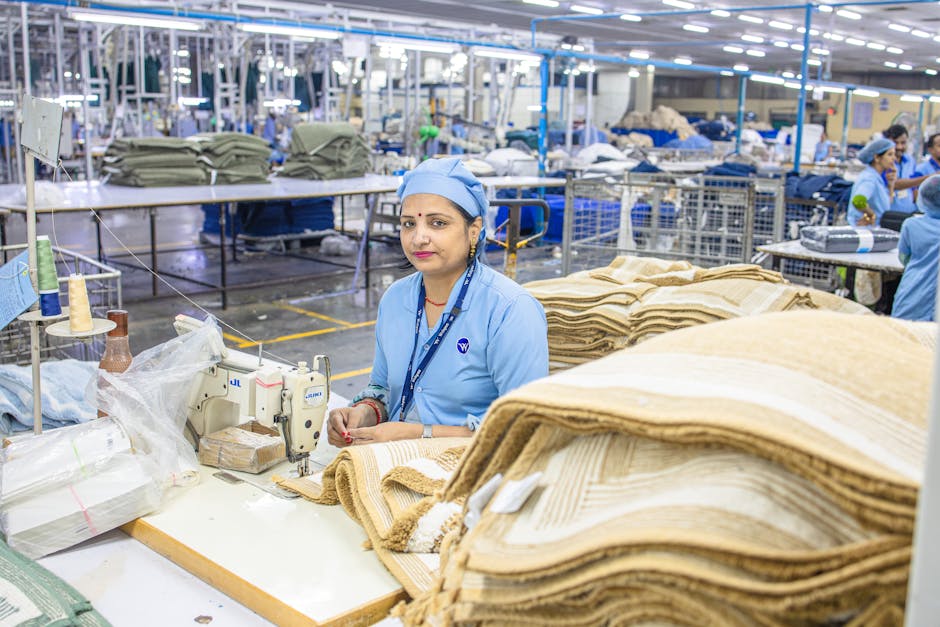
Traditional industries such as textiles and consumer goods are also rebounding, supported by recovering consumer demand in global markets.
Regional Variations in Recovery
Recovery trends vary across Asia, reflecting differences in economic structure and policy responses.
China: Stabilizing Growth
China’s manufacturing sector is showing signs of stabilization, supported by government stimulus measures and strong export performance. However, challenges such as domestic demand fluctuations remain.
Southeast Asia: Emerging Opportunities
Countries like Vietnam, Thailand, and Indonesia are benefiting from supply chain diversification, attracting foreign investment and expanding manufacturing capacity.
India: Accelerating Industrial Expansion
India is positioning itself as a major manufacturing hub through initiatives aimed at boosting domestic production and attracting global companies.
Challenges That Persist
Despite the positive outlook, several challenges continue to impact the sector.
Geopolitical Tensions
Trade disputes and geopolitical uncertainties can disrupt supply chains and affect export markets.
Cost Pressures
Rising costs of raw materials, energy, and labor are putting pressure on manufacturers’ profit margins.
Labor Shortages
In some regions, labor shortages remain a concern, particularly in industries that rely heavily on skilled workers.
The Road Ahead for Asian Manufacturing
The future of Asia’s manufacturing sector will depend on its ability to adapt to evolving global conditions.
Trends to Watch
- Continued investment in automation and digital technologies
- Greater emphasis on sustainability and green manufacturing
- Expansion of regional trade agreements and partnerships
Long-Term Outlook
If current trends continue, Asia is likely to maintain its position as a global manufacturing powerhouse. The region’s ability to innovate and adapt will be critical in shaping the next phase of industrial growth.
Conclusion
The recovery of Asia’s manufacturing sector marks an important turning point after years of disruption. While challenges remain, the combination of technological advancement, supply chain resilience, and strong global demand is driving a steady rebound.
As manufacturers continue to evolve and strengthen their operations, the sector is well-positioned to play a central role in the global economic recovery.
Related reading: Cybersecurity Experts Raise Alarm Over Surge in Global Digital Threats | Global Demand for Cloud Computing Accelerates as Businesses Embrace Digital Transformation