

Recent scientific breakthroughs are transforming the landscape of early cancer detection, offering new hope for improved survival rates and more effective treatment outcomes. Researchers and healthcare innovators are developing cutting-edge technologies that can identify cancer at its earliest stages—often before symptoms appear—marking a significant shift in how the disease is diagnosed and managed. For more insights into scientific and healthcare developments, visit https://martindavisauthor.com/.
The Importance of Early Detection in Cancer Care
Early detection remains one of the most critical factors in improving cancer survival rates. When cancer is identified at an early stage, treatment options are typically more effective, less invasive, and less costly.
Impact on Survival Rates
Studies consistently show that early-stage detection significantly increases survival rates across many types of cancer, including breast, lung, and colorectal cancers. Detecting tumors before they spread allows for targeted interventions that can prevent disease progression.
Reducing Healthcare Burden
Early diagnosis not only benefits patients but also reduces the overall burden on healthcare systems. Treating advanced-stage cancer is often more complex and resource-intensive, making early detection both a medical and economic priority.

Emerging Technologies Driving Innovation
Recent research has introduced a range of innovative technologies that are reshaping how cancer is detected.
Liquid Biopsies
Liquid biopsy technology is one of the most promising advancements in early detection. Instead of invasive tissue sampling, liquid biopsies analyze blood samples to detect circulating tumor DNA (ctDNA) or other cancer-related biomarkers.
This approach allows for earlier detection, continuous monitoring, and a less invasive patient experience. It is particularly useful for identifying cancers that are difficult to detect through traditional imaging.
Artificial Intelligence and Machine Learning
Artificial intelligence (AI) is playing a growing role in cancer detection. Machine learning algorithms can analyze vast amounts of medical data, including imaging scans and genetic information, to identify patterns associated with early-stage cancer.
AI-powered tools are improving diagnostic accuracy, reducing false positives, and helping clinicians make faster, more informed decisions.
Multi-Cancer Early Detection (MCED) Tests
Multi-cancer early detection tests are designed to identify signals from multiple types of cancer through a single blood test. These tests analyze biomarkers such as DNA methylation patterns to detect the presence of cancer and even predict its origin.
Although still in development, MCED technologies have the potential to revolutionize screening by enabling earlier detection across a wide range of cancers.
Advances in Genomics and Biomarker Research
Genomic research is playing a central role in advancing early cancer detection technologies.
DNA and RNA Sequencing
Advances in sequencing technologies have made it possible to detect genetic mutations associated with cancer at extremely low levels. This enables the identification of cancerous changes long before they manifest as detectable tumors.
Biomarker Discovery
Researchers are continuously identifying new biomarkers that can signal the presence of cancer. These biomarkers, found in blood, urine, or other bodily fluids, are key to developing non-invasive screening methods.
The growing understanding of cancer biology is accelerating the discovery of more precise and reliable detection tools.
Challenges in Implementation
Despite promising advancements, several challenges remain in bringing early detection technologies to widespread clinical use.
Accuracy and False Positives
Ensuring high accuracy is critical. False positives can lead to unnecessary anxiety, additional testing, and increased healthcare costs. Researchers are working to refine technologies to improve specificity without compromising sensitivity.
Accessibility and Cost
Many advanced detection technologies are still expensive and not widely accessible. Expanding access to these innovations will be essential to ensure equitable healthcare outcomes.
Regulatory and Clinical Validation
New technologies must undergo rigorous clinical trials and regulatory approval processes before they can be adopted in routine care. This can slow down the pace of implementation despite promising results.
The Role of Preventive Healthcare
Early detection technologies are part of a broader shift toward preventive healthcare.
Personalized Screening Programs
Advances in data analytics and genomics are enabling more personalized screening strategies based on individual risk factors such as genetics, lifestyle, and family history.
Integration with Digital Health
Wearable devices and digital health platforms are increasingly being integrated with early detection systems, allowing for continuous monitoring and real-time health insights.
Future Outlook for Cancer Detection
The future of early cancer detection looks increasingly promising as technology continues to evolve.
Toward Routine Blood Testing
Experts envision a future where routine blood tests could screen for multiple cancers during regular health check-ups, significantly improving early diagnosis rates.
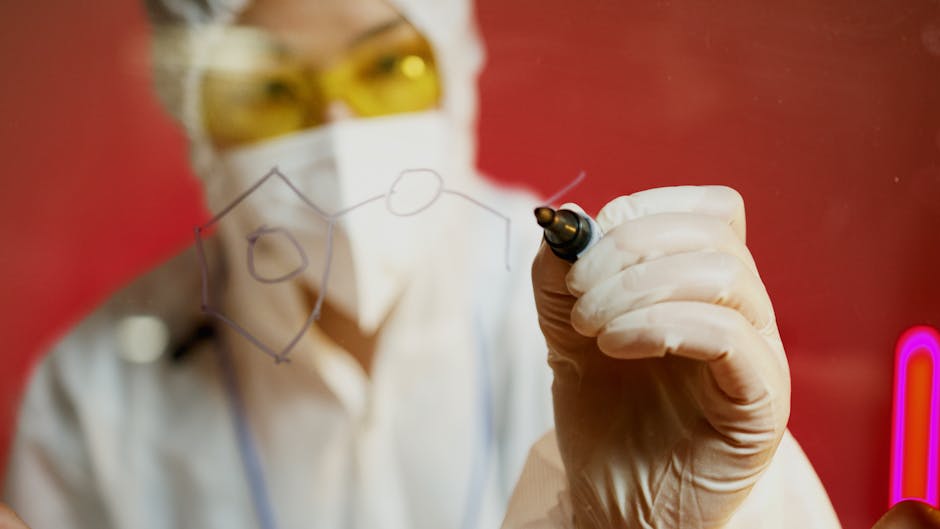
Global Collaboration and Research
International collaboration among research institutions, healthcare providers, and technology companies is accelerating innovation and bringing new solutions closer to market.
Improving Patient Outcomes
Ultimately, the goal of these advancements is to improve patient outcomes by detecting cancer earlier, enabling more effective treatment, and reducing mortality rates.
Conclusion
Advances in early cancer detection technology represent a major breakthrough in modern medicine. From liquid biopsies to AI-driven diagnostics and multi-cancer screening tests, researchers are redefining how cancer is identified and managed.
While challenges remain, the progress made in recent years signals a future where early detection becomes the norm rather than the exception. As these technologies continue to develop and become more accessible, they hold the potential to save millions of lives and transform global healthcare systems.
Related reading: Smartphone Makers Push Innovation with Next-Generation Foldable Designs | Scientists Investigate the Long-Term Impact of Air Pollution on Public Health