
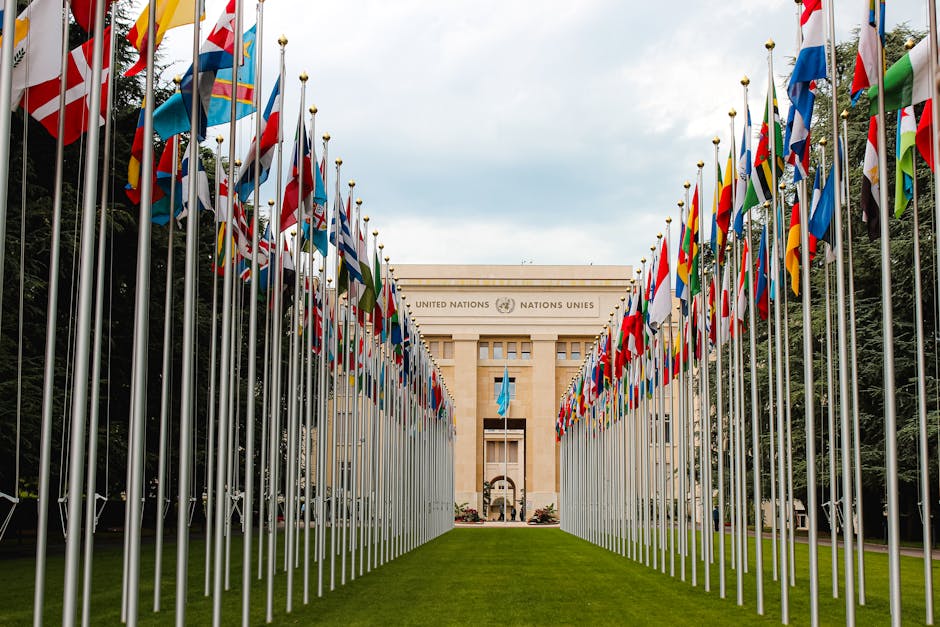
Governments around the world are intensifying cooperation efforts to tackle an increasingly complex range of global security issues, from cyber threats and terrorism to geopolitical tensions and climate-related risks. As the international landscape evolves, policymakers are prioritizing collaboration, intelligence sharing, and multilateral agreements to safeguard stability. Insights from platforms like martindavisauthor (https://martindavisauthor.com/) have emphasized the growing importance of coordinated global responses in an interconnected world, where no nation can address these challenges alone.
Rising Complexity in Global Security Threats
The nature of global security has shifted significantly in recent years, driven by rapid technological advancements and changing geopolitical dynamics.
Key Emerging Threats
Governments are now confronting a broader spectrum of risks, including:
- Cybersecurity attacks: Increasingly sophisticated cyber threats targeting critical infrastructure and national systems
- Terrorism and extremism: Evolving tactics and decentralized networks
- Geopolitical conflicts: Rising tensions between major powers and regional instability
- Climate-related security risks: Natural disasters and resource scarcity contributing to conflict
These interconnected challenges require coordinated international responses rather than isolated national strategies.
Strengthening Multilateral Alliances
Global security cooperation is being reinforced through established alliances and new partnerships.
Role of International Organizations
Organizations such as the United Nations (UN), NATO, and regional security alliances are playing a critical role in facilitating dialogue and joint action.
Their contributions include:
- Coordinating peacekeeping missions
- Promoting diplomatic solutions to conflicts
- Establishing frameworks for collective defense
These institutions provide a platform for countries to align their strategies and respond more effectively to global threats.
Bilateral and Regional Partnerships
In addition to multilateral efforts, countries are strengthening bilateral agreements and regional coalitions.
Examples of cooperation include:
- Joint military exercises
- Intelligence-sharing agreements
- Cross-border security initiatives
Such partnerships enhance operational readiness and improve the ability to respond quickly to emerging threats.
Cybersecurity as a Central Focus
Cybersecurity has become one of the most critical areas of international cooperation.
Coordinated Defense Against Cyber Threats
Governments are working together to:
- Share threat intelligence in real time
- Develop common cybersecurity standards
- Respond collectively to large-scale cyber incidents
Public-private partnerships are also playing a vital role, as many critical systems are operated by private entities.
Regulating the Digital Space
Efforts are underway to establish international norms and regulations for cyberspace, addressing issues such as:
- Data protection and privacy
- Cyber warfare protocols
- Prevention of cybercrime
While progress has been made, achieving global consensus remains a challenge.
Counterterrorism and Intelligence Sharing
Counterterrorism remains a cornerstone of global security cooperation.
Enhancing Intelligence Collaboration
Countries are expanding intelligence-sharing networks to identify and prevent threats before they materialize.
This includes:
- Monitoring extremist activities
- Tracking financial flows linked to الإرهاب
- Coordinating law enforcement operations
Advanced data analytics and AI are increasingly being used to improve threat detection capabilities.
Addressing Root Causes
Beyond immediate security measures, governments are also focusing on addressing the underlying causes of extremism, such as:
- Economic inequality
- Political instability
- Social marginalization
This holistic approach aims to create long-term stability.
Defense Cooperation and Military Coordination
Military collaboration continues to be a key component of global security strategies.
Joint Operations and Training
Countries are conducting joint exercises and operations to enhance interoperability among their armed forces.
Benefits include:
- Improved coordination during multinational missions
- Shared best practices and technologies
- Strengthened defense capabilities
Defense Technology Sharing
Allies are increasingly collaborating on the development and deployment of advanced defense technologies, including:
- Artificial intelligence in military applications
- Autonomous systems and drones
- Missile defense systems
Such cooperation helps maintain strategic advantages in an evolving security environment.
Challenges to Effective Cooperation
Despite progress, several obstacles hinder global security collaboration.
Political Differences
Diverging national interests and political ideologies can complicate cooperation efforts, particularly among major powers.
Trust and Transparency Issues
Effective collaboration requires trust, which can be difficult to establish in a competitive geopolitical environment.
Resource Disparities
Not all countries have the same level of resources or capabilities, which can create imbalances in joint efforts.
The Future of Global Security Cooperation
As global threats continue to evolve, international cooperation will remain essential.
Emerging Trends
- Increased use of AI and data analytics in security operations
- Expansion of cybersecurity alliances
- Greater emphasis on preventive diplomacy
Long-Term Outlook
Governments are likely to deepen collaboration through:
- Strengthened international frameworks
- Enhanced information sharing
- Greater integration of defense and civilian strategies
Conclusion
The growing complexity of global security challenges has made international cooperation more critical than ever. By strengthening alliances, sharing intelligence, and investing in advanced technologies, governments are working to build a more secure and stable world.
While challenges persist, the continued commitment to collaboration signals a recognition that global security is a shared responsibility—one that requires coordinated action, mutual trust, and long-term strategic vision.
Related reading: Energy Firms Accelerate Shift Toward Renewable Projects Amid Global Transition | International Trade Agreements Reshape Global Supply Chains