
The global smartphone industry is entering a new era as manufacturers introduce increasingly advanced foldable device designs, aiming to redefine user experience and productivity. Once considered a niche innovation, foldable smartphones are now becoming a central focus for major tech brands seeking competitive advantage. As the market evolves, companies are investing heavily in durability, design, and performance to attract a broader consumer base. For more insights into technology and global trends, visit https://martindavisauthor.com/.
The Evolution of Foldable Smartphones
Foldable smartphones have undergone rapid transformation over the past few years. Early iterations faced skepticism due to fragile components and high price points, but recent advancements have significantly improved their practicality and appeal.
From Experimental Devices to Flagship Products
Initially, foldable devices were viewed as experimental prototypes rather than mainstream products. Early models introduced by leading brands demonstrated the potential of flexible displays but struggled with durability and usability issues.
Today, manufacturers have addressed many of these concerns. The introduction of ultra-thin glass, reinforced hinges, and improved display protection has made foldable smartphones more reliable for everyday use. These improvements have helped reposition foldables as premium flagship devices rather than technological curiosities.
Diversification of Design Formats
Manufacturers are no longer limited to a single foldable concept. The market now features multiple design approaches, including book-style devices that unfold into tablet-like screens and clamshell models that prioritize compactness.
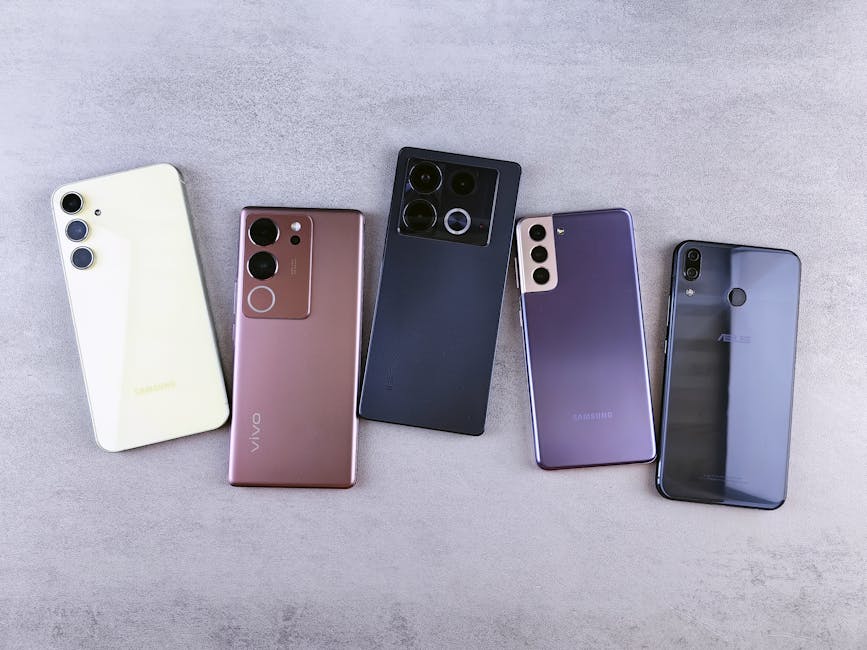
Some companies are even experimenting with rollable and multi-fold designs, pushing the boundaries of what mobile devices can achieve. This diversification reflects a broader effort to cater to different user preferences and use cases.
Rising Competition Among Smartphone Brands
As foldable technology matures, competition in the segment is intensifying. Major players are racing to establish dominance in what is widely seen as the next frontier in mobile innovation.
Key Industry Players
Samsung remains a leader in the foldable market, continuously refining its Galaxy Z lineup. Meanwhile, Chinese manufacturers such as Huawei, Xiaomi, and Oppo are rapidly gaining ground by introducing competitive devices with innovative features and aggressive pricing strategies.
Although Apple has yet to release a foldable device, industry speculation suggests that it is actively developing its own version. Its eventual entry could significantly reshape the competitive landscape.
Pricing Trends and Accessibility
High prices have historically limited foldable smartphone adoption. However, increased competition and advancements in manufacturing are gradually reducing costs.
As production scales and supply chains become more efficient, foldable devices are expected to become more accessible to a wider audience, potentially accelerating market growth.
Technological Breakthroughs Driving Innovation
The evolution of foldable smartphones is closely tied to breakthroughs in several core technologies.
Advances in Display Technology
Flexible OLED displays have become more durable and visually impressive. Improvements in materials have reduced issues such as creasing and screen damage, while enhancements in brightness and refresh rates ensure a premium viewing experience.
Ultra-thin glass technology now provides a more natural feel compared to earlier plastic-based displays, making foldables more appealing to consumers accustomed to traditional smartphones.
Hinge Design and Structural Integrity
The hinge mechanism is a critical component of any foldable device. Manufacturers have invested heavily in engineering solutions that improve durability while maintaining smooth folding motion.
New hinge designs are more resistant to wear and tear, and some devices now offer water resistance—an important milestone for foldable technology.
Software Optimization and User Experience
Software plays a crucial role in maximizing the potential of foldable devices. Operating systems are now optimized to support seamless transitions between folded and unfolded modes.
Features such as multitasking, split-screen functionality, and app continuity enhance productivity and provide a more versatile user experience.
Consumer Adoption and Market Dynamics
Consumer attitudes toward foldable smartphones are evolving as the technology becomes more refined and accessible.
Shifting Consumer Expectations
Modern users are increasingly seeking devices that combine portability with enhanced functionality. Foldable smartphones offer a unique value proposition by delivering both compactness and expanded screen space.
This flexibility makes them particularly attractive to professionals, content creators, and tech enthusiasts.
Market Growth Outlook
Industry forecasts indicate strong growth potential for foldable smartphones in the coming years. As prices decrease and performance improves, adoption is expected to accelerate across both developed and emerging markets.
The increasing availability of foldable devices across different price segments will further drive demand.
Challenges and Limitations
Despite significant progress, foldable smartphones still face challenges that could impact their long-term success.
Durability and Longevity
Although durability has improved, concerns remain regarding long-term wear and tear. Screen creases and hinge reliability continue to be areas of focus for manufacturers.
Battery Constraints
Foldable devices require more power to support larger displays, but space limitations can restrict battery capacity. Balancing performance with battery life remains a key engineering challenge.
App Optimization Gaps
Not all applications are fully optimized for foldable screens. Developers must continue adapting their software to take full advantage of new form factors, which may take time.
The Future of Foldable Technology
The next phase of foldable innovation will likely focus on refinement and integration rather than radical redesign.
Toward Seamless Design
Future devices may eliminate visible creases entirely and become thinner and lighter. Advances in materials science could lead to more durable and flexible displays.
Expansion Beyond Smartphones
Foldable technology is expected to extend into other device categories, including tablets, laptops, and wearable devices. This could transform how users interact with technology across multiple platforms.
Sustainability and Longevity
As environmental concerns grow, manufacturers are also exploring more sustainable production methods and materials. Improving device lifespan and repairability will be essential for long-term adoption.
Conclusion
Foldable smartphones are rapidly transitioning from niche innovations to mainstream devices. With continuous improvements in technology, design, and affordability, manufacturers are positioning foldables as a key pillar of the future mobile ecosystem.
As competition intensifies and consumer interest grows, foldable devices are set to play a defining role in shaping the next generation of smartphones and digital experiences.
Related reading: Independent Films Surge in Global Influence at International Film Festivals | Rising Geopolitical Tensions Reshape Global Energy Markets and Supply Dynamics