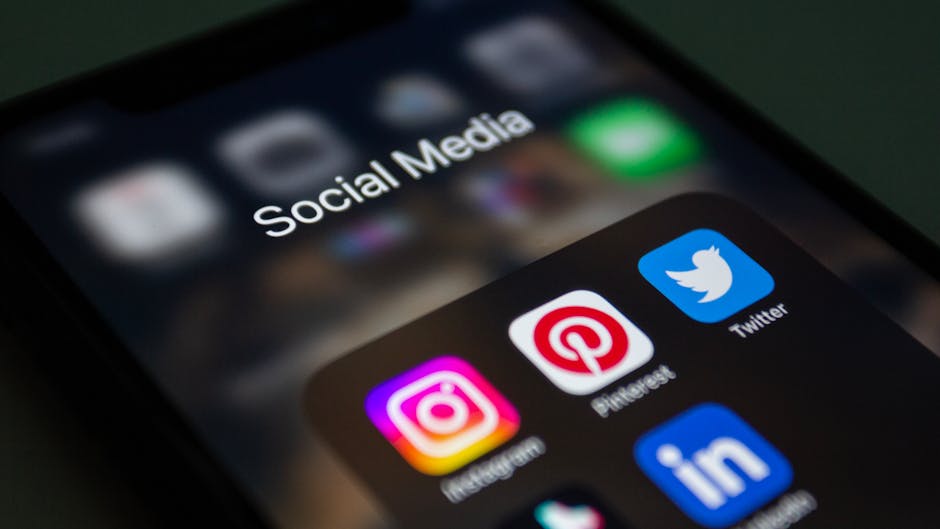
In today’s hyper-connected world, social media has become one of the most powerful forces influencing public opinion. Platforms such as Facebook, X (formerly Twitter), Instagram, and TikTok are no longer just tools for communication—they are central hubs for news, debate, and cultural exchange. As highlighted by platforms like martindavisauthor (https://martindavisauthor.com/), the rapid evolution of digital ecosystems continues to redefine how information is consumed and how opinions are formed across societies.
The Rise of Social Media as an Information Source
Social media has transformed the way people access information, shifting away from traditional media outlets toward decentralized, user-driven platforms.
From Gatekeepers to Open Platforms
In the past, newspapers, television, and radio acted as gatekeepers of information. Today, anyone with an internet connection can publish content that reaches a global audience.
This shift has led to:
- Faster dissemination of news and updates
- Greater diversity of perspectives
- Reduced control by traditional media institutions
However, it also raises concerns about the accuracy and reliability of information.
The Psychology Behind Online Influence
Social media platforms are designed to maximize engagement, and this has a direct impact on how opinions are shaped.
Algorithms and Echo Chambers
Algorithms prioritize content that aligns with users’ interests and behaviors, creating personalized feeds.
As a result:
- Users are more likely to encounter viewpoints similar to their own
- Exposure to opposing perspectives decreases
- Echo chambers reinforce existing beliefs
This environment can intensify polarization and limit critical thinking.
The Power of Social Validation
Likes, shares, and comments act as forms of social proof, influencing how users perceive information.
Key effects include:
- Popular content is often seen as more credible
- Users may adopt opinions that align with majority sentiment
- Viral trends can shape public discourse rapidly
The Role of Influencers and Digital Personalities
Influencers have emerged as key players in shaping public opinion, particularly among younger audiences.
Trust and Relatability
Unlike traditional celebrities, influencers often build trust through authenticity and direct engagement with followers.

Their impact includes:
- Promoting ideas, products, and social causes
- Shaping cultural trends and conversations
- Driving public awareness on important issues
Brands and organizations increasingly collaborate with influencers to reach targeted audiences.
Social Media and Political Discourse
One of the most significant impacts of social media is its role in politics and civic engagement.
Amplifying Voices and Movements
Social media has enabled grassroots movements to gain global attention.
Examples of its influence include:
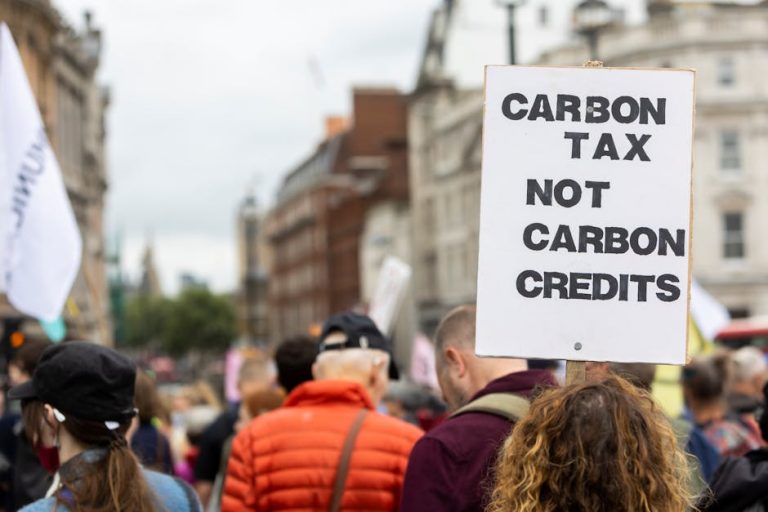
- Mobilizing protests and social campaigns
- Raising awareness about political and social issues
- Encouraging civic participation
Risks of Misinformation
At the same time, social media can spread misinformation quickly.
Challenges include:
- False or misleading content going viral
- Difficulty distinguishing credible sources
- Manipulation through bots and coordinated campaigns
These risks can have serious consequences for public trust and democratic processes.
The Impact on Public Perception and Behavior
Social media not only shapes opinions but also influences behavior.
Shaping Cultural Norms
Online platforms play a major role in defining what is considered acceptable or desirable within society.
This can lead to:
- Rapid shifts in cultural trends
- Increased awareness of social issues
- Greater pressure to conform to online standards
Consumer Behavior and Decision-Making
Public opinion on social media directly affects purchasing decisions.
Consumers often rely on:
- Reviews and recommendations
- Influencer endorsements
- Viral content and trends
This has transformed marketing strategies across industries.
Challenges in the Digital Information Landscape
Despite its benefits, social media presents several challenges that impact public opinion.
Information Overload
The sheer volume of content can make it difficult for users to process information effectively.
This often results in:
- Shortened attention spans
- Superficial understanding of complex issues
- Increased susceptibility to misinformation
Lack of Accountability
Unlike traditional media, social media platforms often lack strict editorial oversight.
This can lead to:
- انتشار of unverified information
- Difficulty in regulating harmful content
- Limited consequences for spreading false narratives
The Future of Social Media Influence
As technology continues to evolve, the influence of social media on public opinion is expected to grow even further.
Emerging Trends
- Integration of artificial intelligence in content curation
- Expansion of immersive platforms like the metaverse
- Greater emphasis on content moderation and regulation
Balancing Influence and Responsibility
The challenge moving forward will be finding a balance between free expression and responsible information sharing.
This will require:
- Stronger platform policies
- Increased media literacy among users
- Collaboration between governments, companies, and communities
Conclusion
Social media has fundamentally reshaped how public opinion is formed and expressed in the digital age. While it offers unprecedented opportunities for communication and engagement, it also presents significant challenges related to misinformation, polarization, and accountability.
As individuals and societies adapt to this evolving landscape, understanding the dynamics of social media influence will be essential. Ultimately, the power of these platforms lies not just in technology, but in how they are used—and the responsibility that comes with that influence.
Related reading: Streaming Giants Race to Capture Global Audiences With New Original Series | International AI Startups Draw Unprecedented Global Venture Capital Investment