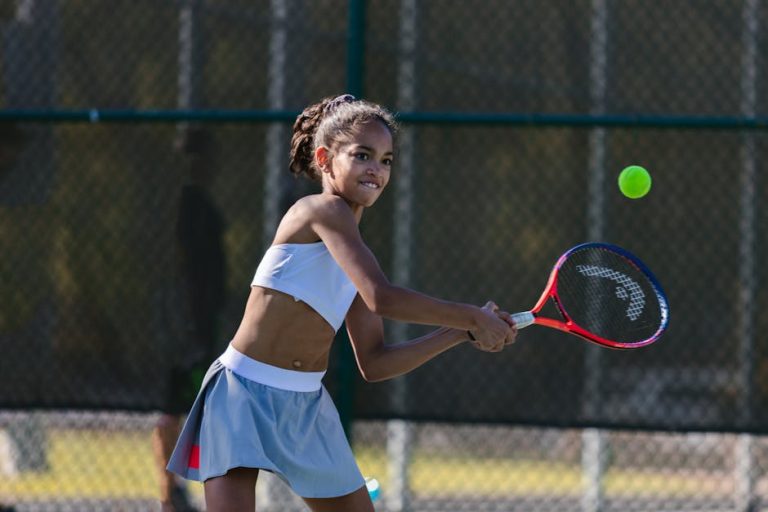
Global Olympic committees are reshaping the future of the Games by introducing new sports designed to reflect evolving athletic trends and engage younger audiences worldwide. As the International Olympic Committee (IOC) continues its modernization efforts, these additions highlight a broader strategy to keep the Olympics relevant in a rapidly changing sports landscape. For more insights into global developments and trends, visit https://martindavisauthor.com/.
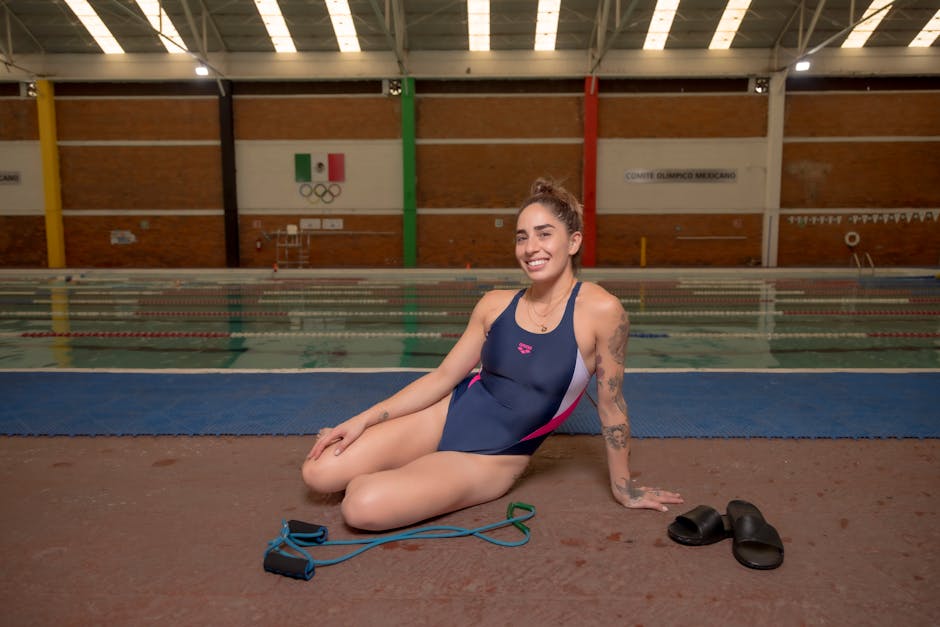
A Strategic Shift Toward Modernization
The inclusion of new sports is part of a deliberate effort by Olympic organizers to modernize the Games. Traditionally rooted in long-established disciplines, the Olympics are now adapting to reflect contemporary interests and global participation trends.
Responding to Changing Audience Preferences
Younger audiences are increasingly drawn to dynamic, fast-paced, and culturally relevant sports. Activities such as skateboarding, sport climbing, and surfing have already proven successful in recent Olympic editions, attracting new viewers and expanding the Games’ appeal.
By adding similar sports, Olympic committees aim to bridge the gap between tradition and innovation, ensuring the event remains globally engaging.
Flexibility in Sport Selection
One notable shift in Olympic planning is the increased flexibility granted to host cities. Organizers can now propose additional sports that resonate with local culture and audience interest, allowing each edition of the Games to have a unique identity.
This approach not only enhances local engagement but also introduces global audiences to diverse sporting disciplines.
Newly Introduced Sports and Their Impact
Recent announcements have revealed several sports being considered or confirmed for future Olympic Games. These additions reflect both global popularity and emerging athletic trends.
Urban and Youth-Oriented Sports
Urban sports continue to gain prominence within the Olympic framework. Events such as breakdancing (breaking), BMX freestyle, and parkour-style competitions emphasize creativity, individuality, and athletic expression.
These sports are particularly effective in attracting younger demographics, helping the Olympics stay relevant in the digital age.
Regional and Culturally Significant Sports
Some newly added disciplines are rooted in specific regions but are gaining international recognition. Martial arts variations, regional team sports, and emerging competitive formats are being evaluated for inclusion.
This strategy supports the IOC’s goal of promoting cultural diversity while expanding the global reach of the Games.
Balancing Tradition and Innovation
While introducing new sports, Olympic committees must carefully balance innovation with tradition. Established events such as athletics, swimming, and gymnastics remain central to the Olympic identity.
Preserving Core Olympic Values
The Olympics have long been associated with excellence, discipline, and international unity. Any new sport must align with these values while offering competitive integrity and global accessibility.
Managing Event Complexity
Adding new sports increases logistical complexity, including venue requirements, scheduling, and athlete quotas. Organizers must ensure that expansions do not compromise the overall efficiency of the Games.
Economic and Commercial Implications
The introduction of new sports also carries significant economic implications for host cities and stakeholders.
Boosting Sponsorship and Media Interest
New sports often attract fresh sponsorship opportunities and media attention. Brands targeting younger audiences are particularly interested in aligning with modern, high-energy disciplines.
Broadcasting rights and digital content engagement can also benefit from the inclusion of visually engaging and shareable sports.
Infrastructure and Investment
Host cities may need to invest in new infrastructure to accommodate additional events. However, these investments can leave lasting legacies, supporting local sports development and tourism.
Athlete Opportunities and Global Participation
Expanding the range of Olympic sports creates new opportunities for athletes around the world.
Broader Pathways to Olympic Competition
Athletes from non-traditional sporting backgrounds now have pathways to compete on the world’s biggest stage. This inclusivity strengthens the Olympic movement and encourages wider participation.
Increased Diversity
The addition of new sports often brings greater diversity in terms of geography, culture, and athletic style. This enriches the overall Olympic experience for both participants and spectators.
Challenges and Criticism
Despite the positive momentum, the expansion of Olympic sports is not without controversy.
Concerns Over Dilution
Some critics argue that adding too many new sports could dilute the prestige of the Olympics. Maintaining a balance between innovation and tradition remains a key challenge.
Standardization and Governance
New sports must meet strict criteria related to governance, anti-doping regulations, and international competition standards. Ensuring consistency across all disciplines is essential for maintaining credibility.
The Future of the Olympic Games
As the Olympics continue to evolve, the inclusion of new sports will play a critical role in shaping their future.
A More Dynamic and Inclusive Event
Future Games are expected to feature a more diverse and dynamic mix of sports, reflecting global trends and cultural shifts. This evolution will help sustain the Olympics’ relevance in an increasingly competitive entertainment landscape.
Long-Term Vision
The IOC’s long-term vision focuses on adaptability and inclusivity. By embracing change while preserving core values, the Olympic Games aim to remain the premier global sporting event for generations to come.
Conclusion
The addition of new sports to future Olympic Games represents a significant step in the ongoing evolution of the event. By embracing innovation and responding to changing audience preferences, Olympic committees are ensuring that the Games remain vibrant, inclusive, and globally relevant.
As these changes take shape, the Olympics are poised to enter a new era—one that blends tradition with modernity and continues to inspire audiences around the world.
Related reading: Breakthrough Research Highlights Major Advances in Early Cancer Detection Technology | Streaming Giants Race to Capture Global Audiences With New Original Series