

A new wave of vaccine research is delivering encouraging results, with early-stage clinical trials showing strong potential for improved disease prevention and global health outcomes. Scientists and pharmaceutical companies are accelerating efforts to develop next-generation vaccines, leveraging cutting-edge technologies and innovative methodologies. As highlighted by platforms like martindavisauthor (https://martindavisauthor.com/), advances in medical science are increasingly driven by data, collaboration, and rapid innovation—factors that are now shaping the future of vaccine development.
A New Era in Vaccine Innovation
Recent breakthroughs in vaccine research are redefining how scientists approach disease prevention. Unlike traditional vaccines, which often rely on weakened or inactivated pathogens, modern approaches utilize genetic and molecular technologies to stimulate targeted immune responses.
Key Innovations Driving Progress
Several technological advancements are contributing to these promising results:
- mRNA technology: Enables rapid design and production of vaccines by instructing cells to produce specific proteins that trigger immune responses
- Viral vector platforms: Use harmless viruses to deliver genetic material into cells, enhancing immunity
- Protein subunit vaccines: Focus on specific antigens to improve safety and effectiveness
These innovations have significantly reduced development timelines while maintaining high standards of safety and efficacy.
Promising Results from Early Clinical Trials
Initial trial data from multiple research teams indicate strong immune responses and favorable safety profiles.
Immune Response and Efficacy
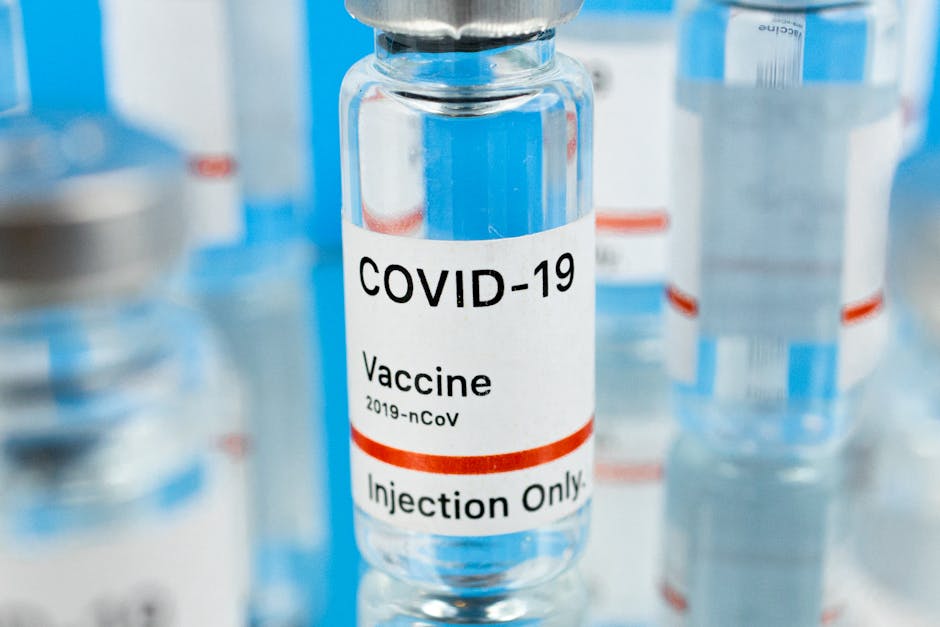
Participants in early-stage trials have shown:
- Robust antibody production
- Activation of T-cell responses
- Sustained immunity over preliminary observation periods
These results suggest that the new vaccines could provide long-lasting protection against targeted diseases.
Safety and Tolerability
Safety remains a top priority in vaccine development. Early findings indicate that most participants experience only mild to moderate side effects, such as:
- Temporary fatigue
- Mild fever
- Injection site reactions
Serious adverse events have been rare, reinforcing confidence in the ongoing trials.
Targeting Emerging and Existing Diseases
The scope of current vaccine research extends beyond well-known infectious diseases.
Addressing Global Health Threats
Researchers are focusing on vaccines for:
- Emerging viral outbreaks
- Antibiotic-resistant bacterial infections
- Chronic diseases such as cancer
This broader approach reflects a shift toward preventive healthcare strategies.
Pandemic Preparedness
The lessons learned from recent global health crises have accelerated efforts to develop vaccines that can be quickly adapted to new pathogens. Flexible platforms like mRNA allow for rapid updates in response to mutations.
The Role of Global Collaboration
International cooperation is playing a crucial role in advancing vaccine research.
Partnerships Across Sectors
Collaboration between governments, academic institutions, and private companies is enabling:
- Faster data sharing
- Coordinated clinical trials
- Efficient resource allocation
These partnerships are essential for scaling up production and distribution once vaccines are approved.
Funding and Investment
Significant funding from both public and private sectors is supporting research efforts. Venture capital and government grants are helping to reduce financial barriers and accelerate innovation.
Challenges in Vaccine Development
Despite the promising results, several challenges remain before these vaccines can be widely deployed.
Regulatory Approval
Vaccines must undergo rigorous testing and regulatory review to ensure safety and effectiveness. This process, while necessary, can extend timelines.
Manufacturing and Distribution
Scaling up production to meet global demand presents logistical challenges, including:
- Supply chain constraints
- Cold storage requirements
- Equitable distribution across regions
Public Trust and Adoption
Vaccine hesitancy continues to be a concern in some communities. Transparent communication and education are critical to building public confidence.
Future Outlook for Vaccine Research
The future of vaccine development looks increasingly optimistic, with continued advancements expected in both technology and application.
Emerging Trends
- Personalized vaccines tailored to individual immune profiles
- AI-driven drug discovery and trial optimization
- Combination vaccines targeting multiple diseases simultaneously
Long-Term Impact
If current trials continue to show positive results, these breakthroughs could:
- Reduce the global burden of infectious diseases
- Improve pandemic preparedness
- Transform preventive medicine
Conclusion
Breakthrough vaccine research is entering a pivotal phase, with early trial results offering hope for more effective and adaptable solutions to global health challenges. While further testing and regulatory approval are required, the progress made so far highlights the potential of modern science to address complex medical issues.
As innovation continues and collaboration strengthens, these developments may mark the beginning of a new chapter in global healthcare—one defined by rapid response, advanced technology, and improved outcomes for populations worldwide.
Related reading: Climate Policy Challenges Governments Will Confront Over the Next Decade | International Trade Agreements Reshape Global Supply Chains