

As the global climate crisis intensifies, governments around the world are facing mounting pressure to implement effective and sustainable policies. The next decade will be critical in determining whether nations can meet emission targets, transition to cleaner energy systems, and mitigate the long-term impacts of climate change. Policymakers must balance economic growth, political realities, and environmental responsibility in an increasingly complex landscape. For deeper perspectives on global policy and economic shifts, visit https://martindavisauthor.com/.
Rising Urgency for Climate Action
Scientific consensus continues to highlight the accelerating pace of climate change. Rising global temperatures, extreme weather events, and biodiversity loss are no longer distant threats—they are immediate challenges affecting economies and societies worldwide.
Increasing Frequency of Extreme Events
Governments are dealing with more frequent natural disasters, including floods, wildfires, and heatwaves. These events strain public resources, disrupt supply chains, and require significant investment in disaster preparedness and recovery.
Pressure from International Commitments
Global agreements such as the Paris Climate Accord have set ambitious targets for reducing greenhouse gas emissions. However, meeting these commitments requires coordinated efforts across multiple sectors, which remains a major challenge for many countries.
Balancing Economic Growth and Sustainability
One of the most significant obstacles governments face is reconciling economic development with environmental protection.
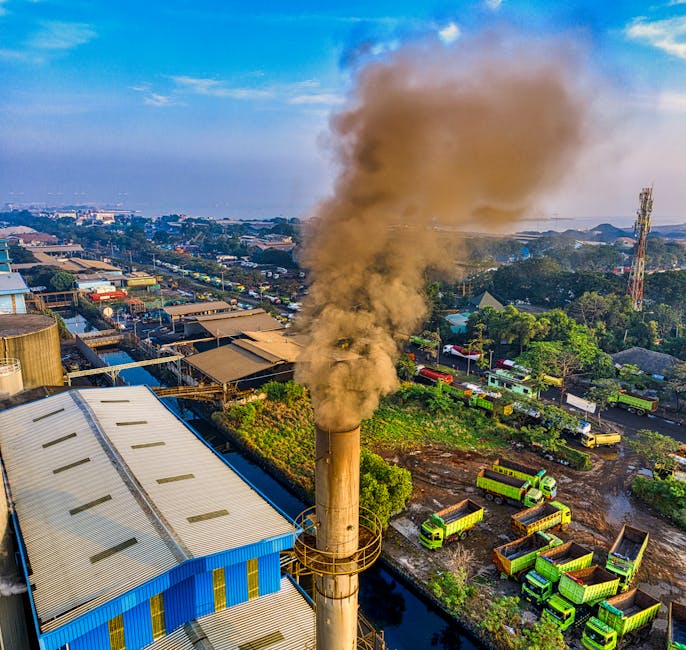
Transitioning from Fossil Fuels
Many economies remain heavily dependent on fossil fuels for energy and industrial production. Transitioning to renewable energy sources such as wind, solar, and hydropower requires substantial investment and infrastructure development.
At the same time, governments must consider the economic impact on industries and workers reliant on traditional energy sectors.
Managing Costs and Inflation
Climate policies often involve significant upfront costs, including investments in green infrastructure and technology. These costs can contribute to inflationary pressures, making it politically challenging to implement aggressive climate measures.
Political and Social Barriers
Climate policy is not just a technical issue—it is deeply political and social in nature.
Public Resistance and Policy Acceptance
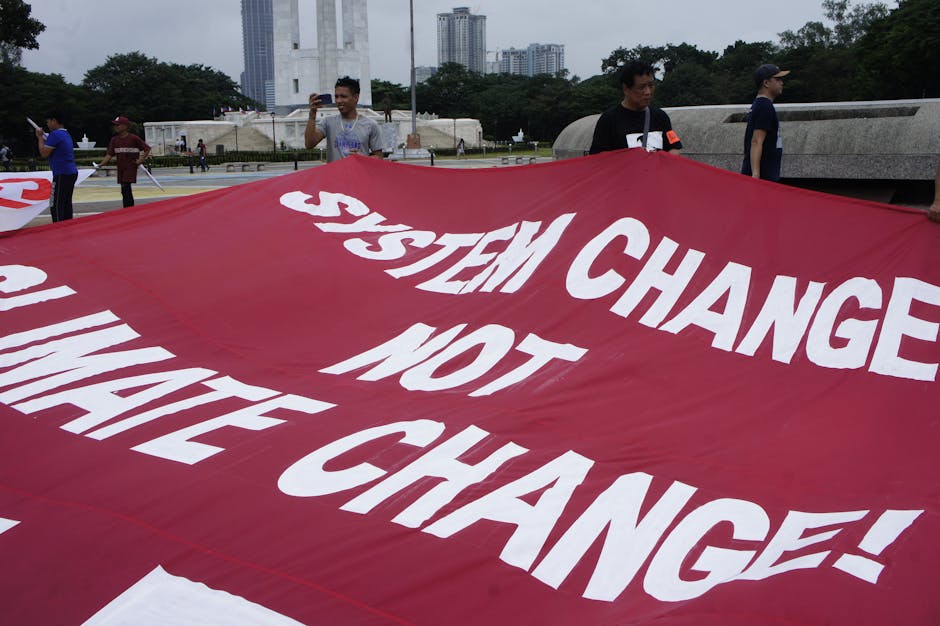
Policies such as carbon taxes or fuel subsidies removal can face strong public opposition. Governments must carefully design policies that are both effective and socially acceptable.
Policy Continuity and Political Cycles
Frequent changes in political leadership can disrupt long-term climate strategies. Ensuring policy continuity across administrations is essential for achieving sustained progress.
Technological and Infrastructure Challenges
Advancing climate goals depends heavily on technological innovation and infrastructure development.
Scaling Renewable Energy
While renewable energy technologies have advanced significantly, scaling them to meet global demand remains a challenge. Grid modernization, energy storage solutions, and efficient distribution systems are critical components.
Decarbonizing Hard-to-Abate Sectors
Industries such as aviation, shipping, and heavy manufacturing are particularly difficult to decarbonize. Governments must invest in research and development to find viable solutions for these sectors.
Global Inequality and Climate Justice
Climate change disproportionately affects developing countries, raising issues of fairness and responsibility.
Financing Climate Action
Developing nations often lack the financial resources to implement large-scale climate initiatives. International cooperation and funding mechanisms are essential to support these efforts.
Addressing Loss and Damage
The concept of “loss and damage” has gained prominence in global climate discussions. Governments must navigate complex negotiations around compensation for countries most affected by climate impacts.
Regulatory Complexity and Implementation
Designing climate policies is only part of the challenge—effective implementation is equally critical.
Coordinating Across Sectors
Climate policy spans multiple sectors, including energy, transportation, agriculture, and urban planning. Coordinating efforts across these areas requires strong governance and institutional capacity.
Monitoring and Enforcement
Ensuring compliance with climate regulations requires robust monitoring systems and enforcement mechanisms. Without accountability, policy effectiveness can be significantly undermined.
The Role of Innovation and Private Sector Collaboration
Governments cannot address climate challenges alone; collaboration with the private sector is essential.
Encouraging Green Investment
Policies that incentivize private investment in sustainable technologies can accelerate the transition to a low-carbon economy. This includes tax incentives, subsidies, and regulatory support.
Supporting Research and Development
Innovation will play a crucial role in addressing climate challenges. Governments must invest in research initiatives and foster partnerships with academic institutions and private companies.
Looking Ahead
The next decade will be decisive for global climate policy. Governments must act with urgency while navigating economic, political, and technological constraints.
Building Resilient Systems
Climate resilience must become a central component of policy planning. This includes strengthening infrastructure, improving disaster response systems, and enhancing adaptive capacity.
Strengthening International Cooperation
Global challenges require global solutions. Strengthening international collaboration will be key to achieving meaningful progress in climate action.
Conclusion
Climate policy challenges in the coming decade are complex and multifaceted. Governments must balance competing priorities while implementing effective strategies to address one of the most pressing issues of our time.
Success will depend on long-term commitment, innovation, and cooperation across borders and sectors. The decisions made today will shape the environmental and economic future for generations to come.
Related reading: Asian Manufacturing Sector Signals Recovery Following Supply Chain Disruptions | Major Music Festivals Reveal Star-Studded Lineups for the Upcoming Summer Season