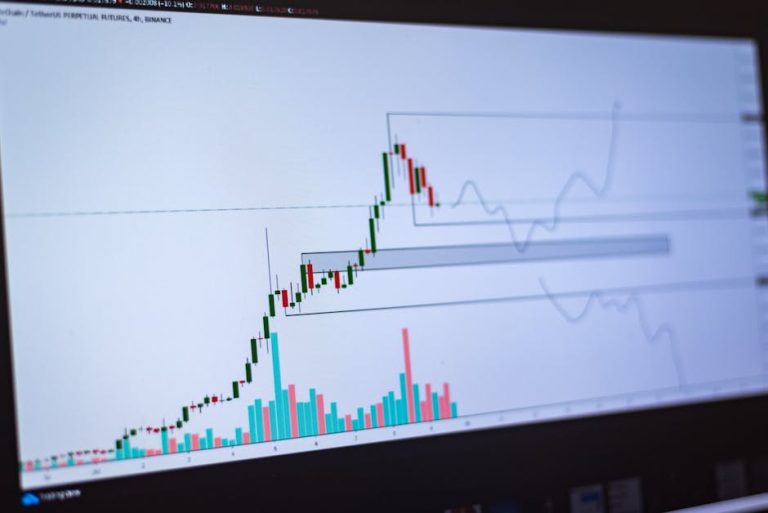

Global energy markets are facing increasing volatility as geopolitical tensions intensify across key regions. From conflicts affecting oil-producing nations to strategic competition over energy resources, these developments are significantly influencing supply chains, pricing, and long-term energy strategies. As governments and corporations respond to these shifts, the global energy landscape is entering a period of uncertainty and transformation. For more analysis on global economic and geopolitical trends, visit https://martindavisauthor.com/.
Geopolitics as a Key Driver of Energy Market Volatility
Energy markets have always been sensitive to geopolitical developments, but recent tensions have amplified their impact. Conflicts, sanctions, and diplomatic disputes are directly affecting the production and distribution of critical energy resources such as oil, natural gas, and coal.
Disruptions in Major Energy-Producing Regions
Regions like the Middle East, Eastern Europe, and parts of Africa play a crucial role in global energy supply. Political instability or conflict in these areas can disrupt production and transportation routes, leading to immediate price fluctuations.

For example, tensions involving major oil exporters often result in supply concerns, pushing crude oil prices higher. Similarly, disruptions in natural gas exports—particularly in Europe—have highlighted the vulnerability of energy-dependent economies.
Sanctions and Trade Restrictions
Economic sanctions imposed on energy-producing nations are another major factor influencing global markets. Restrictions on exports can limit supply, forcing importing countries to seek alternative sources at higher costs.
These measures also reshape global trade flows, as countries realign partnerships and diversify suppliers to reduce dependence on politically sensitive regions.
Energy Prices and Inflationary Pressures
Rising geopolitical tensions often translate into higher energy prices, which have widespread economic implications.
Oil Price Volatility
Oil prices are particularly sensitive to geopolitical risks. Even the threat of supply disruption can trigger speculative trading, leading to rapid price increases.
Higher oil prices affect transportation, manufacturing, and logistics, ultimately driving up the cost of goods and services worldwide.
Impact on Natural Gas and Electricity Markets
Natural gas markets have also experienced significant volatility, especially in regions heavily reliant on imports. Price spikes in gas markets often translate into higher electricity costs, affecting both households and industries.
This has led many governments to implement emergency measures, including subsidies and price controls, to protect consumers.
Strategic Shifts in Energy Policy
In response to geopolitical uncertainty, countries are rethinking their energy strategies to enhance security and resilience.
Diversification of Energy Sources
Many nations are actively diversifying their energy sources to reduce reliance on single suppliers. This includes increasing imports from alternative countries and investing in domestic production capabilities.
Liquefied natural gas (LNG) has emerged as a key component of this strategy, allowing countries to access global markets more flexibly.
Acceleration of Renewable Energy Investments
Geopolitical tensions are also accelerating the transition toward renewable energy. Governments are investing heavily in solar, wind, and other clean energy technologies to reduce dependence on fossil fuel imports.
This shift is not only driven by environmental concerns but also by the desire for greater energy independence.
The Role of Strategic Reserves and Alliances
Countries are increasingly relying on strategic reserves and international cooperation to manage energy risks.
Strategic Petroleum Reserves
Strategic reserves serve as a buffer against supply disruptions. Governments can release stored oil to stabilize markets during periods of crisis, helping to mitigate price spikes.
Energy Alliances and Partnerships
International partnerships are becoming more important as countries seek to secure stable energy supplies. Agreements between energy producers and consumers are helping to ensure long-term supply stability.
These alliances also play a role in infrastructure development, including pipelines and LNG terminals.
Emerging Markets and Global Energy Demand
Despite geopolitical challenges, global energy demand continues to grow, particularly in emerging economies.
Rising Demand in Asia
Countries in Asia, including China and India, are driving much of the increase in global energy consumption. Their growing industrial sectors and expanding populations are fueling demand for oil, gas, and electricity.
Balancing Growth and Sustainability
Emerging markets face the challenge of meeting rising energy needs while transitioning to more sustainable energy sources. This balancing act will shape the future trajectory of global energy markets.
Long-Term Implications for the Energy Sector
The current wave of geopolitical tensions is likely to have lasting effects on how energy markets operate.
Structural Changes in Supply Chains
Energy supply chains are becoming more complex and diversified. Companies are investing in new infrastructure and exploring alternative routes to reduce vulnerability to disruptions.
Increased Market Uncertainty
Uncertainty is expected to remain a defining feature of energy markets. Companies and governments must adopt more flexible strategies to navigate an unpredictable environment.
Innovation and Technological Advancements
The need for energy security is driving innovation in areas such as energy storage, grid management, and alternative fuels. These technologies could play a crucial role in shaping the future energy landscape.
Conclusion
Geopolitical tensions are exerting a profound influence on global energy markets, affecting everything from pricing to policy decisions. As countries adapt to a more uncertain environment, the focus on diversification, resilience, and sustainability is becoming increasingly important.
While challenges remain, these shifts also present opportunities for innovation and transformation. The global energy sector is evolving rapidly, and its future will be shaped by the complex interplay between geopolitics, economics, and technological progress.
Related reading: Breakthrough Research Highlights Major Advances in Early Cancer Detection Technology | Tech Giants Accelerate Race to Develop Next-Generation Semiconductor Chips